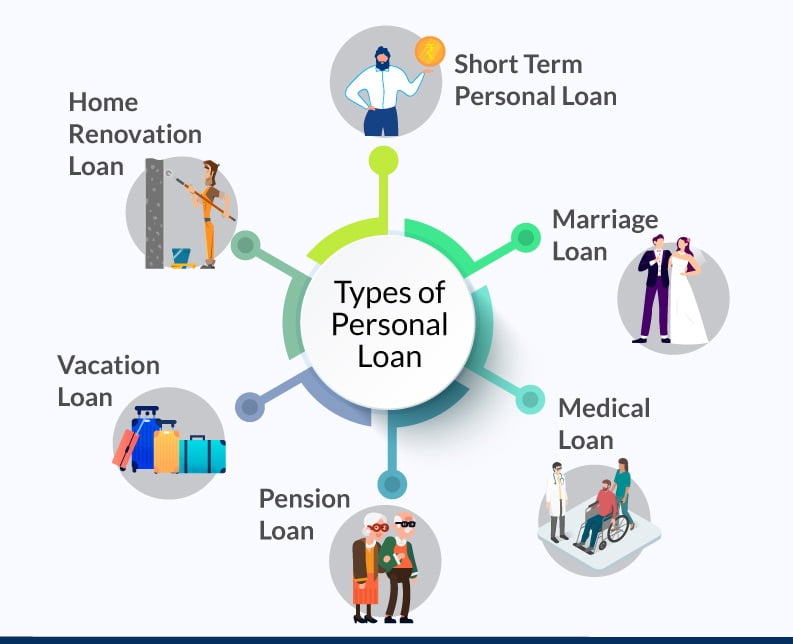
Personal loans are unsecured debt, meaning you get a lump sum of cash to use for whatever you need, whether that’s consolidating old debt or finally fixing up the kitchen. You usually get these through a bank, a credit union, or an online lender by submitting an application and letting them check your credit.
The Spectrum of Modern Lending Providers
Finding credit isn’t just about walking into a local branch anymore. The market is split between the big, established institutions and the new fintech companies. Traditional banks usually want an existing relationship with you, while digital-first lenders focus on speed and sleek apps.
Large institutions like Wells Fargo offer loans that are tied directly into your existing bank accounts. This is handy if you already bank there, since it’s often easier for them to verify your income and assets. The downside? The paperwork is usually heavier and the process takes longer than the online-only players.
On the other side, fintech lenders have changed how easy it is to get credit. They use algorithms to make decisions in minutes. LendingClub, for example, operates mostly online, letting you manage your debt through a digital interface. This works well if you’d rather have immediate feedback than talk to someone in person.
Keep in mind that “unsecured” means you aren’t putting your house or car on the line to get the money. Because the lender takes on more risk if you don’t pay them back, the interest rate is usually higher. Fast decisions are great, but you have to decide if that speed is worth a higher APR.
Many people feel caught in the middle. They want the stability of a big bank but the convenience of a mobile app. This has created a hybrid market where even traditional banks are building their own digital portals to keep up with the tech companies.
If you’re looking at different ways to manage your cash, you might run into specialized services like Jetzloan while checking out different credit structures. It really comes down to finding a lender whose risk appetite matches your specific credit score.
Comparing Loan Amounts and Terms
Lenders don’t offer a one-size-fits-all product. How much you can borrow depends on your credit and the specific lender’s rules. Some focus on small, quick loans, while others are meant for bigger moves like major renovations or cleaning up high-interest debt.
For moderate amounts, Discover offers online personal loans ranging from $2,500 to $40,000. This is a common sweet spot for people who need more than a credit card limit allows but don’t need a massive home equity line of credit. These usually have fixed interest rates and set monthly payments, which makes budgeting much easier.
To make sense of your options, look at these structural differences:
| Lender Type | Typical Loan Range | Primary Benefit | Primary Drawback |
|---|---|---|---|
| Traditional Bank | Variable, often higher limits | Relationship-based service | Slower approval process |
| Fintech/Online | $2,500 – $40,000+ | High speed and convenience | Variable interest rates common |
| Specialty Lenders | Varies widely | Higher approval for low credit | Significantly higher APRs |
The term length, how long you have to pay it back, is another big factor. Most loans run between 24 and 84 months. A longer term makes your monthly payment smaller and easier to manage, but you’ll end up paying way more in total interest. It’s a trade-off between your monthly cash flow and the total cost of the loan.
Don’t forget about one-time fees, too. Some lenders charge an origination fee, which is a percentage taken right off the top. If you borrow $10,000 and there is a 5% origination fee, you only get $9,500, but you still owe interest on the full $10,000. Always read the fine print before you sign anything.
Understanding Rate Fluctuations and Credit Impact
Interest rates are essentially the price of money. They change based on the economy and your personal history. When the central bank moves rates, personal loan rates usually follow. This means timing your application matters if you’re trying to keep costs down.
If you’re shopping around, you should know what the market is doing. For instance, Personal loan rates for June 2026 will depend on things like inflation and employment data. Using a comparison tool is a good way to get a baseline before you actually apply.
There is a big difference between a “soft” pull and a “hard” pull on your credit. Many lenders let you check your potential rate with a soft pull, which won’t hurt your score. But once you actually apply for the money, they’ll do a hard pull, and that can cause a small, temporary dip in your score. It’s much smarter to use soft pulls to compare rates before you commit to a formal application.
Your credit score is the main driver for your rate. Someone with a score over 740 will see a massive difference in cost compared to someone in the 600s. Because high-score borrowers are statistically less likely to default, lenders give them better pricing. It’s a bit of a catch-22: you need good credit to get the cheap money, but you might be looking for a loan to fix your credit in the first place.
Late payments are the quickest way to ruin your ability to borrow later. If you use a loan to consolidate debt, make sure that single monthly payment is actually easier to handle than your old ones. If it’s harder to pay, you’re just moving the problem around.
Alternative Lenders and Specialized Access
Not everyone falls into the “prime” borrower category. There are lenders built for people with unconventional income or less-than-perfect credit. These lenders often look at your ability to repay through income verification rather than just a three-digit number.
OneMain Financial is an example of a lender that covers a broader demographic. They offer quick online applications for people who need funds fast, even if their credit isn’t perfect. This is great for emergencies, but you’ll likely pay a premium in interest for that accessibility.
U.S. Bank offers several options, including personal loans and lines of credit. A line of credit works differently; it’s a revolving pool of funds you can draw from as needed, much like a credit card. This is useful for home projects where you aren’t sure exactly how much you’ll need to spend each month.
Here is how those approaches look for debt management:
- Fixed-Rate Personal Loans: Good for known expenses like a wedding or a specific medical bill. The rate stays the same.
- Revolving Lines of Credit: Good for ongoing projects or repairs where the total cost is a moving target.
- Debt Consolidation Loans: Good for turning several high-interest credit card balances into one lower-interest payment.
Picking the wrong tool can lead to a cycle of debt. Using a personal loan for a vacation or a luxury item is a common mistake. These loans should be functional, not extra income for discretionary spending. If the loan doesn’t help you save money or build equity, it’s just adding to your monthly bills.
Check your current credit score through a free service before applying to ensure you are targeting the right lender tier.
A few things readers ask
What are the different types of personal loan options available?
Common options include unsecured personal loans, secured loans backed by assets, and fixed-rate loans with predictable monthly payments.
How do personal loan services determine my interest rate?
Lenders typically base your rate on your credit score, income level, debt-to-income ratio, and the total loan amount requested.
Can I use a personal loan to consolidate debt?
Yes, many personal loans are specifically designed for debt consolidation to combine multiple high-interest balances into a single lower-interest payment.
What is the difference between a secured and an unsecured personal loan?
Secured loans require collateral like a vehicle or savings account, whereas unsecured loans are granted based solely on your creditworthiness.
Are there fees associated with personal loan services?
Fees may include origination fees, application fees, or prepayment penalties, so it is vital to review the loan agreement terms carefully.
