Exploring the cultural significance of gambling across different societies
The Origins of Gambling
The history of gambling is as old as civilization itself, with evidence dating back to ancient Mesopotamia around 3000 BCE. Archaeological findings reveal that early societies engaged in games of chance using rudimentary dice made from animal bones. This initial form of gambling was not merely a pastime; it served various cultural and religious functions. Often, games of chance were intertwined with rituals and were used to divine the future or make decisions of great importance. Today, you can find resources on best online casinos that help understand this legacy.
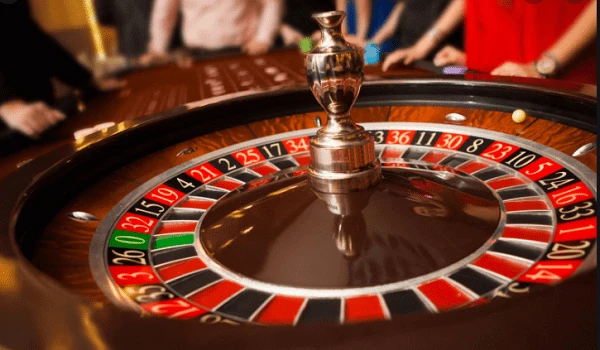
As societies evolved, so did the complexities of gambling. By the time of the Roman Empire, gambling had become more organized, with games like dice and betting on gladiatorial contests becoming common. The Romans recognized the social and economic implications of gambling, leading to regulations that sought to control its practice while still allowing it to flourish within their culture.
Gambling in Eastern Cultures
In Eastern cultures, gambling has deep-rooted connections with spirituality and community. For instance, in Chinese culture, games like Mahjong and Pai Gow have been played for centuries, often during festivals and family gatherings. These games are not only about winning money; they embody social interaction, strengthen familial bonds, and maintain cultural traditions.
Similarly, in Japan, gambling exists within a framework of entertainment and cultural significance. The traditional game of Hanafuda and more modern betting practices highlight how gambling can be a form of cultural expression. The Japanese also associate certain games with luck and fortune, often incorporating them into rituals and celebrations, which further illustrates the significance of gambling in their society.
The Impact of Gambling on Western Societies
In Western cultures, gambling has undergone a significant transformation, particularly during the last few centuries. From the establishment of lotteries in the 16th century to the rise of casinos in the 20th century, gambling has been integral to economic development and social interaction. Initially, lotteries were seen as a means to fund public projects and build infrastructure, illustrating how gambling can benefit society as a whole.
Modern Western societies, particularly in the United States, have witnessed a shift in perception regarding gambling. The legalization of casinos and online betting platforms reflects changing attitudes toward gambling as a legitimate form of entertainment. However, this shift has raised concerns about addiction and social consequences, prompting discussions about responsible gambling and its cultural implications.
The Role of Gambling in Indigenous Cultures
For many Indigenous cultures, gambling is deeply interwoven with tradition and identity. Various tribal games and betting practices serve as avenues for storytelling, cultural preservation, and community bonding. These practices often revolve around rituals and ceremonies, showcasing how gambling can foster a sense of belonging and continuity within Indigenous communities.
Despite facing challenges from external societal norms, Indigenous groups have revitalized traditional gambling practices to reaffirm their cultural identity. Initiatives to promote these games not only strengthen community ties but also serve as a resistance against cultural erasure, emphasizing the importance of gambling as a means of cultural expression and resilience.
Insights from the Gambling Industry
This website serves as a hub for exploring the intricacies of the gambling world, providing users with real-time updates, insights, and analyses. By connecting enthusiasts and professionals alike, it enhances understanding of gambling’s evolving landscape and cultural significance across different societies.
Through a wealth of resources and valuable content, the site aims to facilitate informed decision-making in the gambling industry. By highlighting trends and offering expert insights, it underscores the importance of understanding gambling as a multifaceted cultural phenomenon that continues to shape societies worldwide.

No comment yet, add your voice below!